What do you get when Dr. Seuss, the makers of “The Lion King” and Mother Nature get together?
Joshua Tree National Park
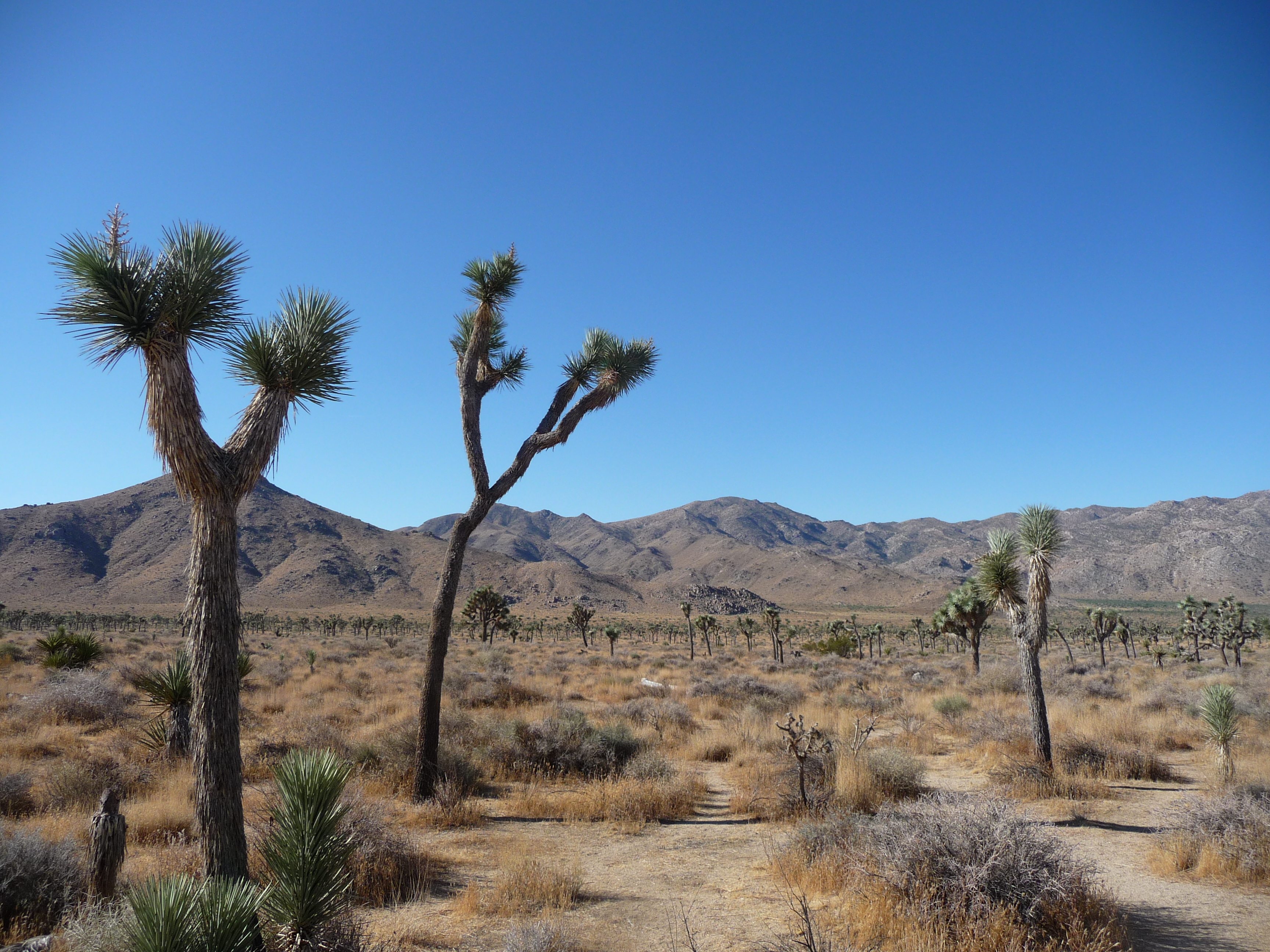
This bizarre park is unlike other national parks, in the type of allure it holds. Some parks, such as Yosemite, offer overwhelming geological features–in Yosemite’s instance, massive granite walls that are so enormous and grand that you are diminished by their presence. Other parks, such as Mesa Verde, offer such well-preserved ruins of ancient civilization that you are almost able to take a leap back in time when wandering around them. Joshua Tree’s charm, on the other hand, lies not in history nor in overwhelming natural wonders, but rather in its mood. Joshua Tree National Park is, at the same time, eerie and playful. Views within the park are of a wide, dry and mostly barren valley, speckled with the comical-looking Joshua tree: a tall, twisty, prickly tree with awkwardly bent branches. The landscape is so empty, that it feels like you’re lost in the middle of Africa, somewhere far from civilization…or water. And then, around the next bend in the road, you suddenly encounter a crop of giant boulders, and, if you’re like most people, you’ll want to get out of your car and go scramble around on them.
Joshua Tree National Park is located a convenient 140 miles east of Los Angeles, 175 miles northeast of San Diego, and 215 miles southwest of Las Vegas. From Orange County, it took me 2 hours and 15 minutes to get to the town of Joshua Tree. There are three park entrances: 2 on the North end and 1 on the South. The top 2 are the most convenient from major cities, and there’s an easy loop from one of the North entrances to the other.
Fast Forward Workout: Lost Horse Mine, 4 miles (or 6.2 loop)
Lost Horse Mine Trail
I wanted to get a taste of three of the things the park has to offer: big rocks, barren landscape and human history. This hike takes care of the latter two, and I was able to get plenty of the first one with short strolls off the main road.
To get to the trailhead, take the “Key’s View Road” off of the main loop. Signs will point you onto a sandy road that will wind for several minutes to the parking area. The road is narrow, so look out for oncoming traffic. The parking area has a primitive outhouse, but no running water. At this point, you are quite a ways from civilization, so make you sure you have PLENTY of water with you.
The trail to the mine takes a left from the trailhead. Out and back, it’s 4 miles, but you can continue on past the mine and do a 6.2 mile loop around and back to the parking lot. It was a hot day and I only had two water bottles, so I opted for the shorter route.
Lost Horse Mine Trail
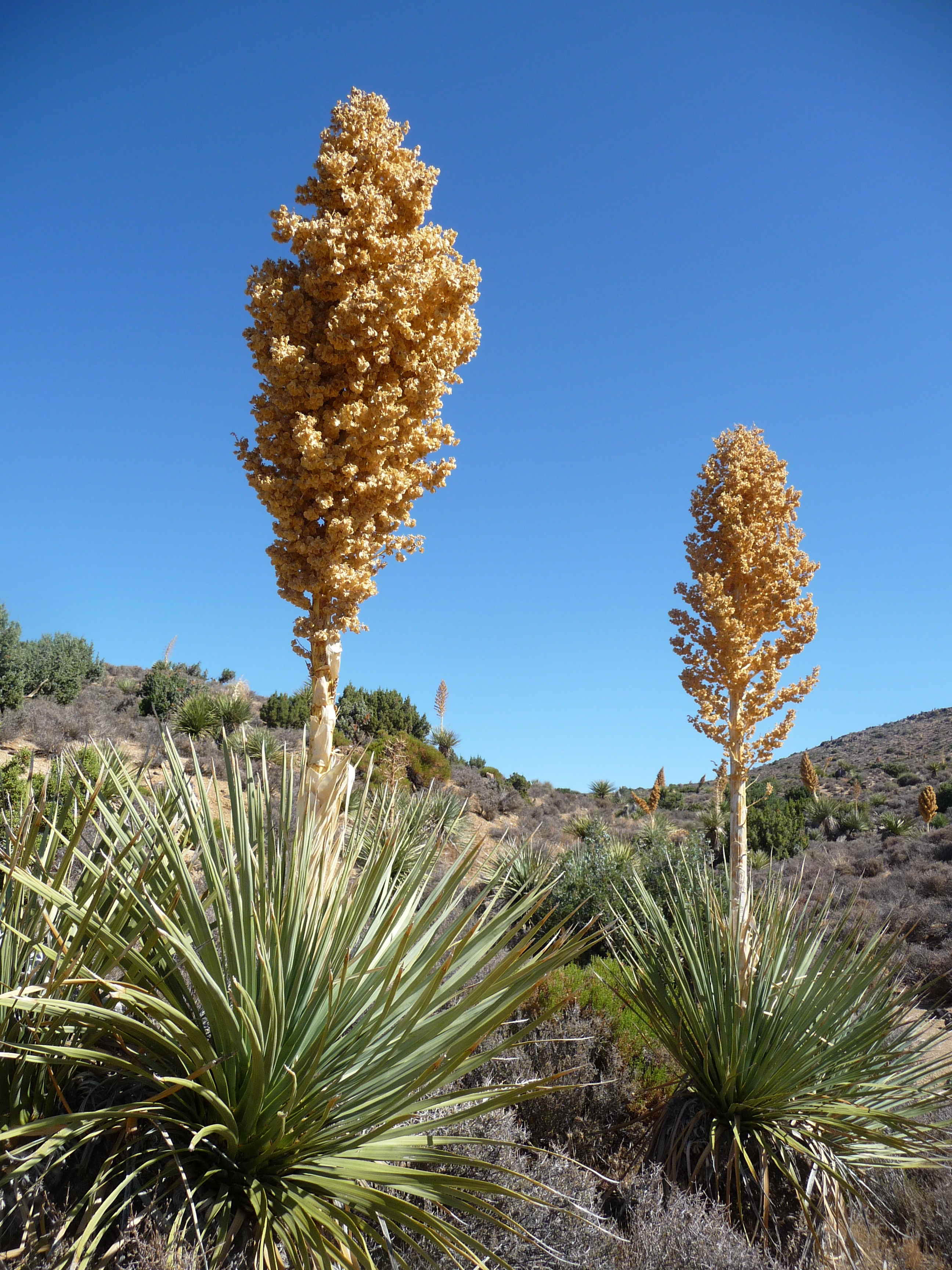
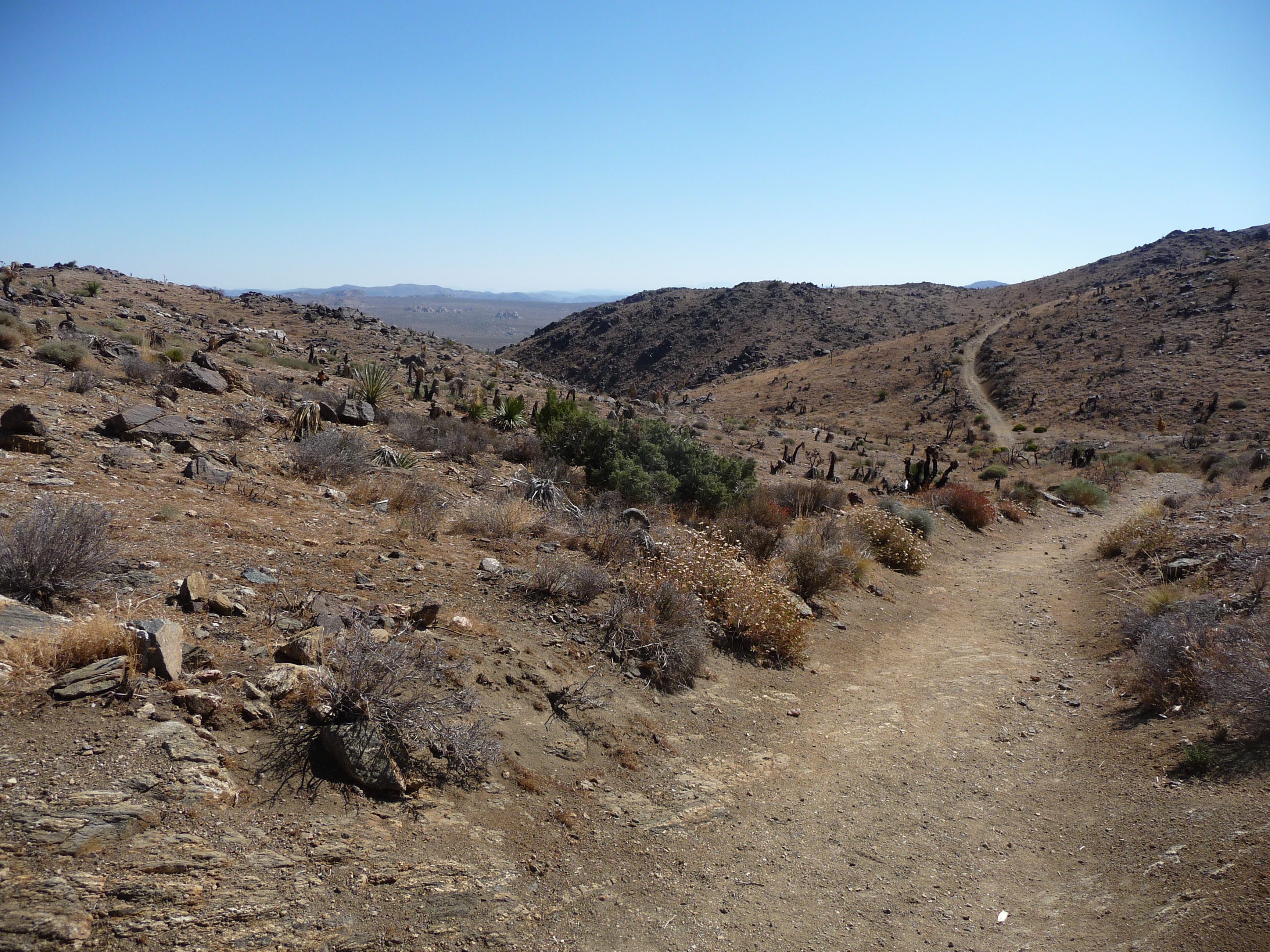
The trail is mostly uphill on the way out. In the beginning, you run alongside lots of scrubby bushes and tall shoots of what looks almost like bundles of chamomile tea. After awhile, the trail enters what I assume is the site of an old wildfire. The views look out on a landscape filled with charred, gnarled tree stumps and very little greenery. I felt like I was in the badlands from the movie, “The Lion King,” and expected, at every turn of the trail, to bump into the evil lion, Scar, and his hyena sidekicks.
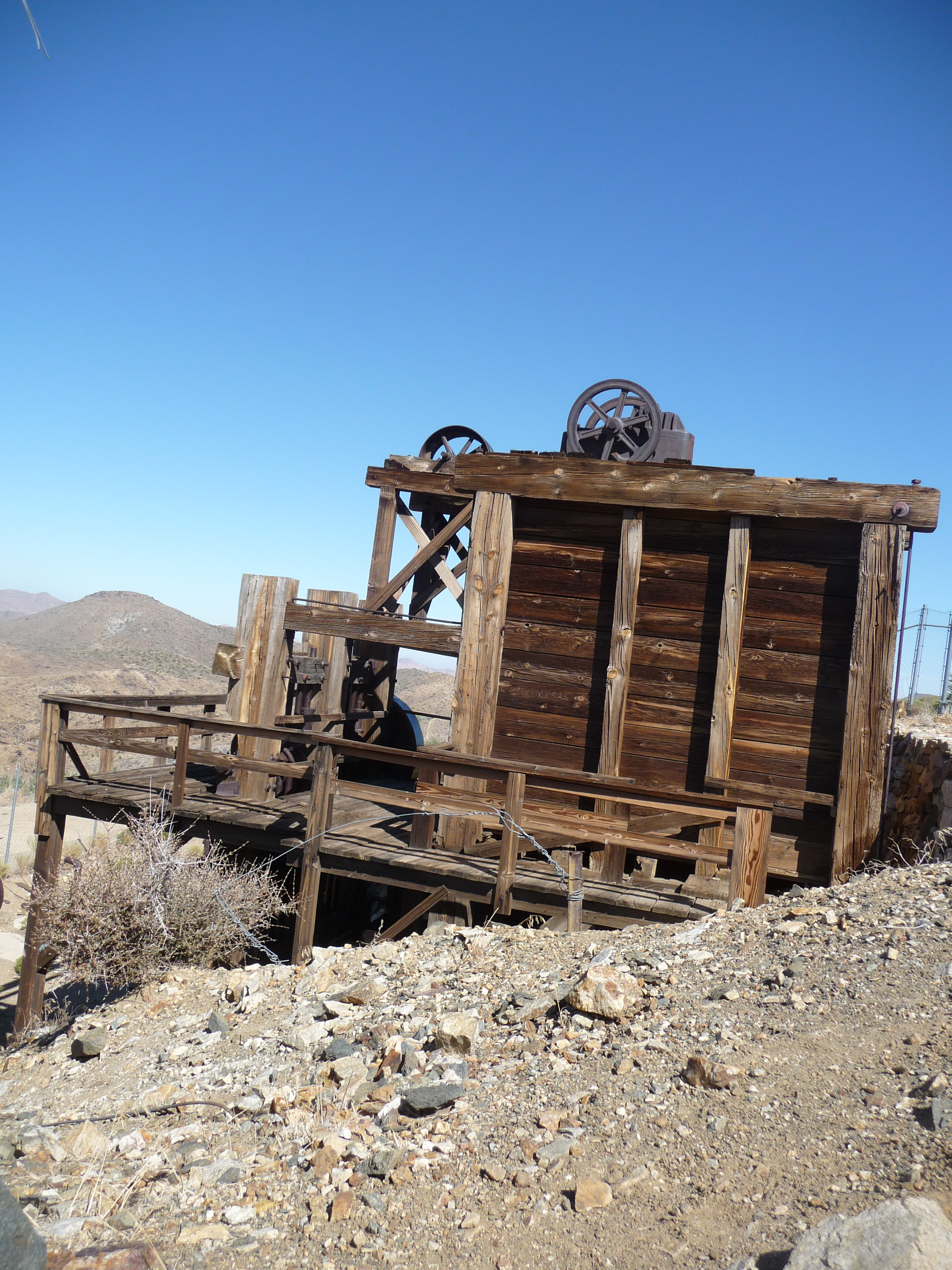
Lost Horse Mine
The trail rolls up and down for awhile. You catch your first glimpse of the mine from a ways out and can see the switchbacks you’ll take up to the top. The mine is locked away behind a chain-link fence, but you can get a taste for what it used to be like. The history of the mine is impressive. There were several mining attempts in the Joshua Tree area, but few were successful. Lost Horse Mine was one of the exceptions,
producing 10,000 ounces of gold and 16,000 ounces of silver between 1894 and 1931 (which would value at about $5 million today). After looking at the mine, check out the views from right above (elevation 5,278 feet!), which are wide and extensive.

View from elevation 5,278!
There’s not a lot of traffic on the hike. I ran into two groups of people the entire time.
The way back is mostly downhill and relatively easy.
Bonus: Ryan Ranch, 1 mile out and back
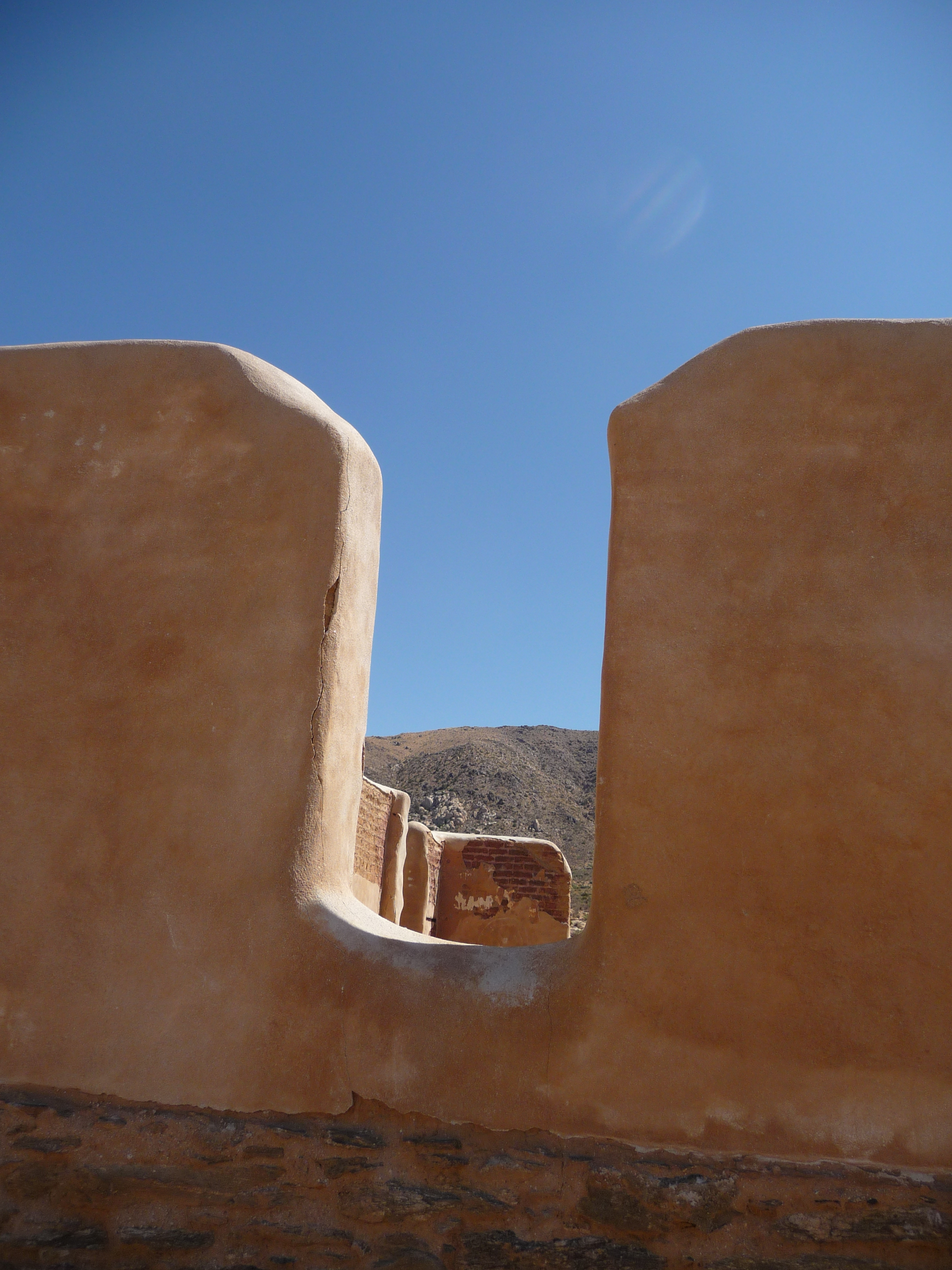
The Ruins at Ryan Ranch
From Lost Horse Mine, take Key’s View Road back to the main road. Turn right. Very shortly, on the right, will be a pullout for Ryan Ranch. There’s a flat, one-mile out and back trail to the ruins of Ryan Ranch. Circa the 1890s, Ryan Ranch was the home of the owners of Lost Horse Mine. The ruins show signs of deterioration and vandalism, but are still fun to climb around on and explore.
Bonus: Jumbo Rocks Campground
The child in me came out when I decided to stop at Jumbo Rocks Campground. I had read about it before coming to the park, and knew that I’d want to come camping at some point, but I didn’t realize how much fun it would turn out to be.
After Ryan Ranch, drive (toward Oasis Visitor’s Center) for several miles until you see signs for the Jumbo Rocks Campground. There are parking spots for non-campers, and you have immediate access to the gigantic boulders that give the campground its name. I took my camera and joined the other people who were all just hanging out on the rocks. It was a like a gigantic jungle gym, and we all looked like overgrown children, jumping from rock to rock, shimmying up and down the sides of boulders and attempting to scale steeper sections.
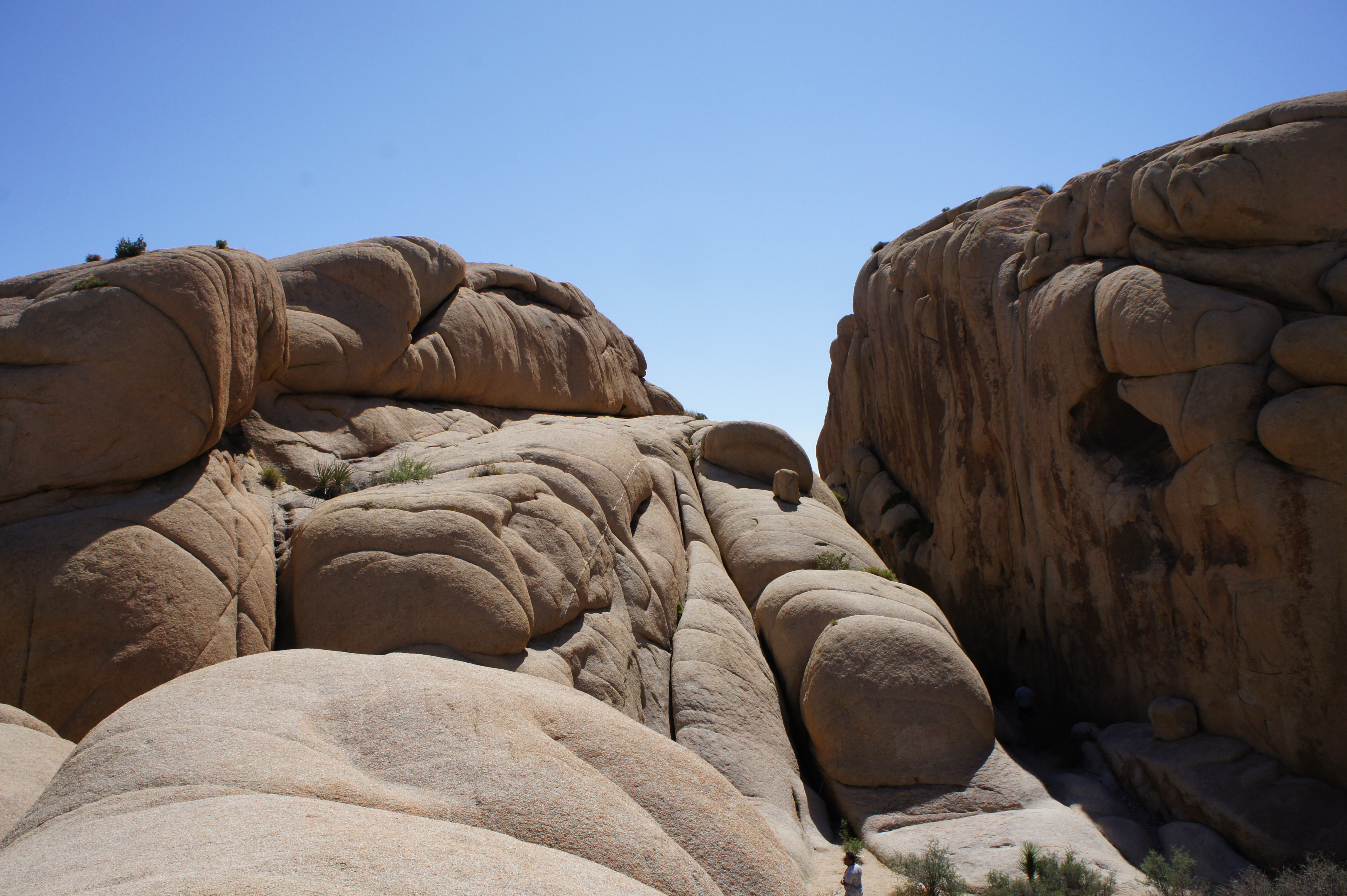
Jumbo Rocks Campground
 In your own shoes